Occasional invaders
Stink Bugs: identification, signs & control
How do you keep stink bugs out of your house?
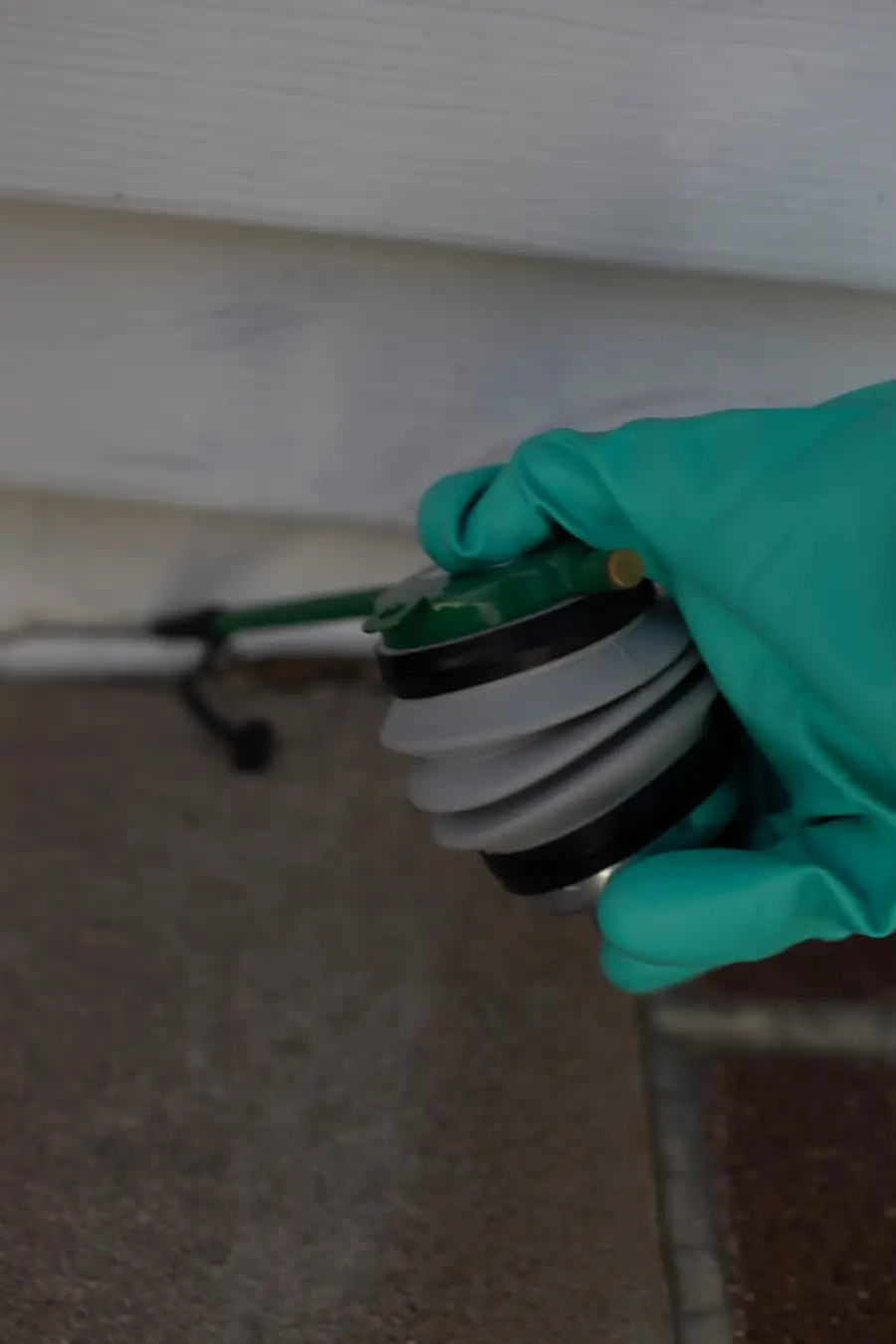
The best way to keep stink bugs out of your house is to seal and treat before they gather in early fall. Rehoboth treats sunny exterior walls, windows and eaves where stink bugs collect and recommends sealing gaps around windows, siding, vents and utility lines. Once inside, vacuum them up rather than crushing them, which releases the smell.
How do you identify stink bugs?
- Shield-shaped, mottled brown, about 5/8 inch
- Light bands on the antennae and along the edge of the abdomen
- Release a strong odor when disturbed or crushed
What are the signs of stink bugs?
- Dozens gathering on south- and west-facing walls in fall
- Bugs appearing at windows and lights on warm winter days
- Odor when swept up
Are stink bugs dangerous?
- Nuisance and odor; they don't bite people or damage the house
- Damage fruit and vegetable crops and gardens
How can you prevent stink bugs?
- Seal gaps around windows, doors, siding and utility lines before September
- Repair torn screens and add vent screening
- Vacuum indoor bugs with a dedicated bag
How does Rehoboth treat stink bugs?
Covered by our general pest plan: a fall exterior treatment on the walls and openings where they gather, plus sealing recommendations.
More questions
Why are stink bugs so common here?
The brown marmorated stink bug was first identified in the U.S. in Allentown, Pennsylvania, in the late 1990s, and it's been abundant across southeastern PA and New Jersey ever since.
Get rid of stink bugs
Tell us what you're seeing. We'll inspect, explain what we find and recommend the lightest plan that will actually work.