
Biting pests
Ticks: identification, signs & control
How do you get rid of ticks in your yard?
To get rid of ticks in your yard, treat the places they wait for a host: tall grass, leaf litter, wood edges, stone walls and shady ground cover. Rehoboth treats those areas monthly from March through October and recommends keeping a mowed, mulched or gravel buffer between lawn and woods. Check yourself, kids and pets after time outside.
How do you identify ticks?
- Blacklegged tick: small, dark legs, orange-red body (female); carries Lyme disease
- American dog tick: larger, brown with white markings
- Lone star tick: females have a single white dot; spreading in NJ and PA
What are the signs of ticks?
- Ticks found on pets or family after yard time
- Wooded edges, stone walls and leaf piles near play areas
- Deer and mice frequently in the yard
Are ticks dangerous?
- Lyme disease (blacklegged ticks); Pennsylvania reports among the most cases in the country
- Other tick-borne illnesses including anaplasmosis and babesiosis
- Lone star tick bites are linked to alpha-gal syndrome (red meat allergy)
How can you prevent ticks?
- Keep grass short and remove leaf litter near play areas
- Put a 3-foot wood-chip or gravel border between lawn and woods
- Keep play sets away from wooded edges
- Use vet-recommended tick prevention for pets
How does Rehoboth treat ticks?
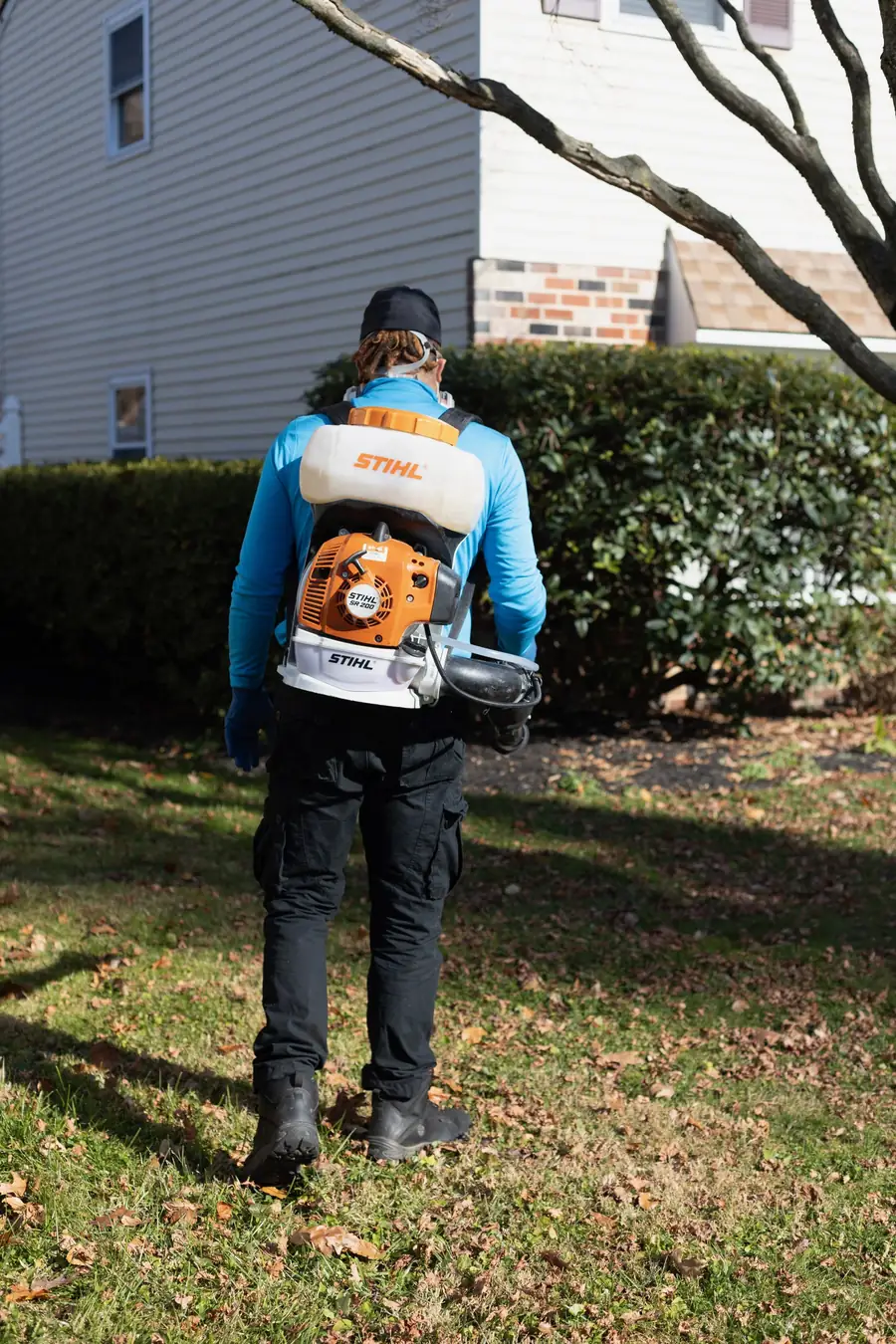
Monthly yard treatments March through October aimed at tick habitat, plus interior flea and tick treatment if pets bring them inside.
See Tick, Flea & Mosquito Control
More questions
What should I do if I find a tick attached?
Remove it promptly with fine-tipped tweezers, pulling straight up, then clean the area. Save the tick in a sealed bag and talk to your doctor if you develop a rash or fever.
Get rid of ticks
Tell us what you're seeing. We'll inspect, explain what we find and recommend the lightest plan that will actually work.